When you need a reliable place to showcase a personal project, portfolio, or small web app, many developers turn to hosting by Google Drive. The platform lets you store static files, share them publicly, and keep everything organized in a familiar cloud environment. This guide walks you through the simplest setup, highlights free options, and shows how to decide when a paid upgrade makes sense.
Why Google Drive Hosting Is a Smart Choice for New Projects
Google Drive offers a no‑cost way to serve static sites while you’re still learning the ropes. Because the files live in a folder you already use for backups, you can edit them locally and instantly push updates without dealing with separate FTP clients. The integration also means you can leverage Google’s built‑in sharing permissions, making collaboration straightforward for friends or teammates who need to review drafts.
Free Hosting Options Worth Exploring

If you prefer a more feature‑rich environment—such as running PHP scripts or connecting to a MySQL database—several free hosting providers list their services alongside Google Drive options. While these services often come with limits on bandwidth or storage, they can be a good stepping stone before moving to a dedicated Drive‑hosted site. Check each provider’s terms to ensure they allow public file sharing from a Drive folder.
Free or Paid? Making the Right Decision

Not every project stays small forever. When traffic starts to rise or you need custom domains, SSL certificates, or higher upload quotas, the free tier may feel restrictive. Upgrading to a paid plan, whether through Google’s own Workspace or a third‑party host, typically unlocks these capabilities. The decision point usually arrives when you notice frequent “Quota exceeded” messages or when you want to add server‑side features that Drive alone doesn’t support.
Managing Files and Permissions the Easy Way
One of the biggest advantages of using Drive for hosting is the granular control you have over who can view or download each file. You can set a folder to “Anyone with the link” for public access, while keeping drafts private by restricting access to specific email addresses. For larger projects, consider organizing assets into subfolders named by function—images, css, js—and use a simple index.html file to act as the entry point. This structure keeps URLs clean and makes future maintenance painless.
- Upload changes directly from your local Drive folder.
- Use the “Preview” feature to check how a page renders before publishing.
- Set expiration dates on shared links if temporary access is needed.
Next Steps: Adding Features and Scaling Up
Once your basic site is live, you can start integrating external scripts, custom fonts, or analytics tools without leaving the Drive ecosystem. If you eventually outgrow the simplicity of Drive hosting, consider migrating to a dedicated web host that still allows you to keep your files organized in a Drive‑like workflow. The key is to treat the transition as an evolution, not a rewrite—preserving the folder structure you already love while gaining more control over performance and support.
When you need a reliable place to showcase a personal project, portfolio, or small web app, many developers turn to hosting by Google Drive. The platform lets you store static files, share them publicly, and keep everything organized in a familiar cloud environment. This guide walks you through the simplest setup, highlights free options, and shows how to decide when a paid upgrade makes sense.
Why Google Drive Hosting Is a Smart Choice for New Projects
Google Drive offers a no‑cost way to serve static sites while you’re still learning the ropes. Because the files live in a folder you already use for backups, you can edit them locally and instantly push updates without dealing with separate FTP clients. The integration also means you can leverage Google’s built‑in sharing permissions, making collaboration straightforward for friends or teammates who need to review drafts.
Free Hosting Options Worth Exploring
If you prefer a more feature‑rich environment—such as running PHP scripts or connecting to a MySQL database—several free hosting providers list their services alongside Google Drive options. While these services often come with limits on bandwidth or storage, they can be a good stepping stone before moving to a dedicated Drive‑hosted site. Check each provider’s terms to ensure they allow public file sharing from a Drive folder.
Free or Paid? Making the Right Decision
Not every project stays small forever. When traffic starts to rise or you need custom domains, SSL certificates, or higher upload quotas, the free tier may feel restrictive. Upgrading to a paid plan, whether through Google’s own Workspace or a third‑party host, typically unlocks these capabilities. The decision point usually arrives when you notice frequent “Quota exceeded” messages or when you want to add server‑side features that Drive alone doesn’t support.
Managing Files and Permissions the Easy Way
One of the biggest advantages of using Drive for hosting is the granular control you have over who can view or download each file. You can set a folder to “Anyone with the link” for public access, while keeping drafts private by restricting access to specific email addresses. For larger projects, consider organizing assets into subfolders named by function—images, css, js—and use a simple index.html file to act as the entry point. This structure keeps URLs clean and makes future maintenance painless.
- Upload changes directly from your local Drive folder.
- Use the “Preview” feature to check how a page renders before publishing.
- Set expiration dates on shared links if temporary access is needed.
Next Steps: Adding Features and Scaling Up
Once your basic site is live, you can start integrating external scripts, custom fonts, or analytics tools without leaving the Drive ecosystem. If you eventually outgrow the simplicity of Drive hosting, consider migrating to a dedicated web host that still allows you to keep your files organized in a Drive‑like workflow. The key is to treat the transition as an evolution, not a rewrite—preserving the folder structure you already love while gaining more control over performance and support.
Website Builder Vs Web Hosting: What's The Difference? | TechRadar

Website builder vs web hosting: What's the difference? | TechRadar
Netinternet-Hosting Ve Domain (Alan Adı) Nedir

Netinternet-Hosting ve Domain (Alan Adı) Nedir
Exploring Cloud VPS Hosting: The Future Of Scalable Web Infrastructure
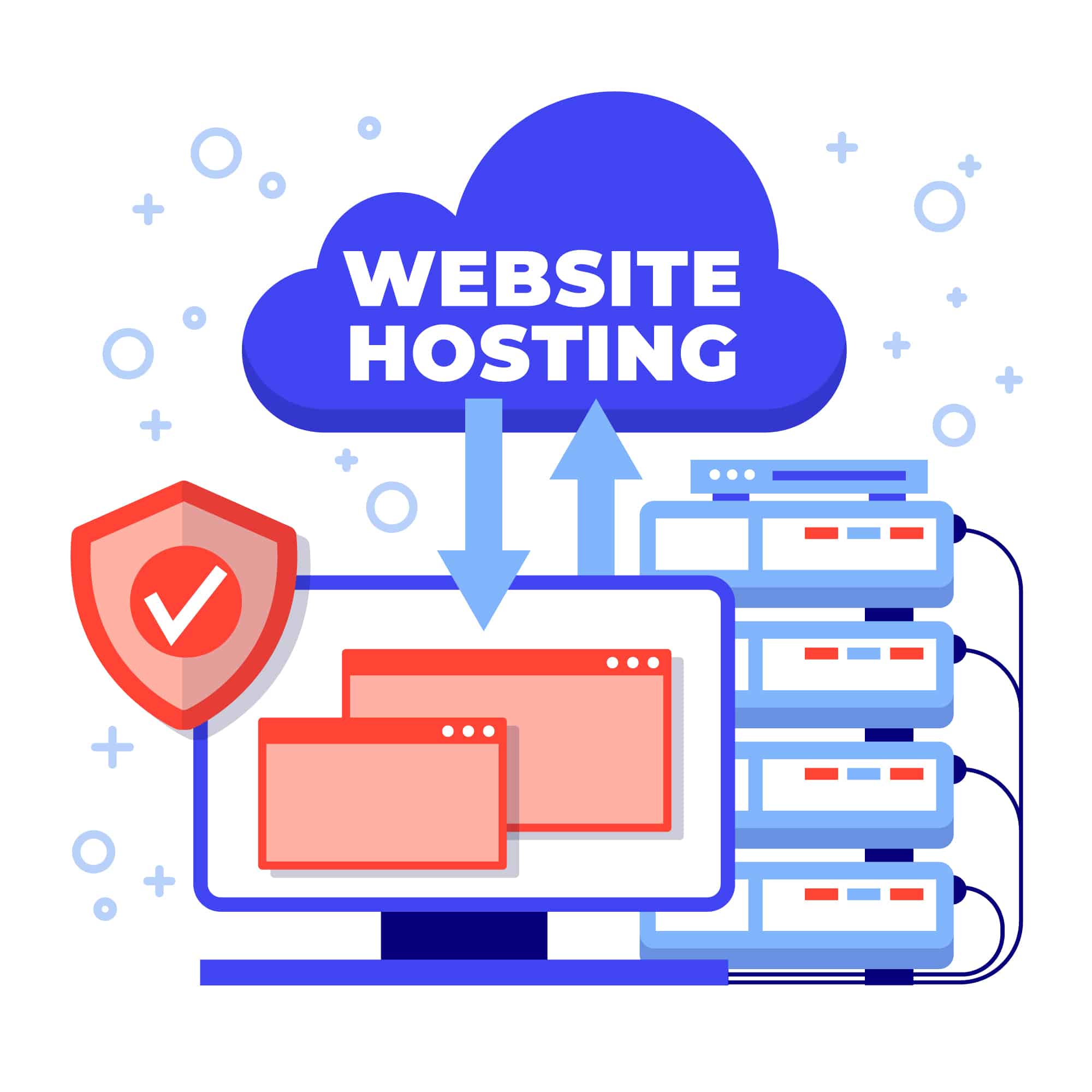
Exploring Cloud VPS Hosting: The Future of Scalable Web Infrastructure